
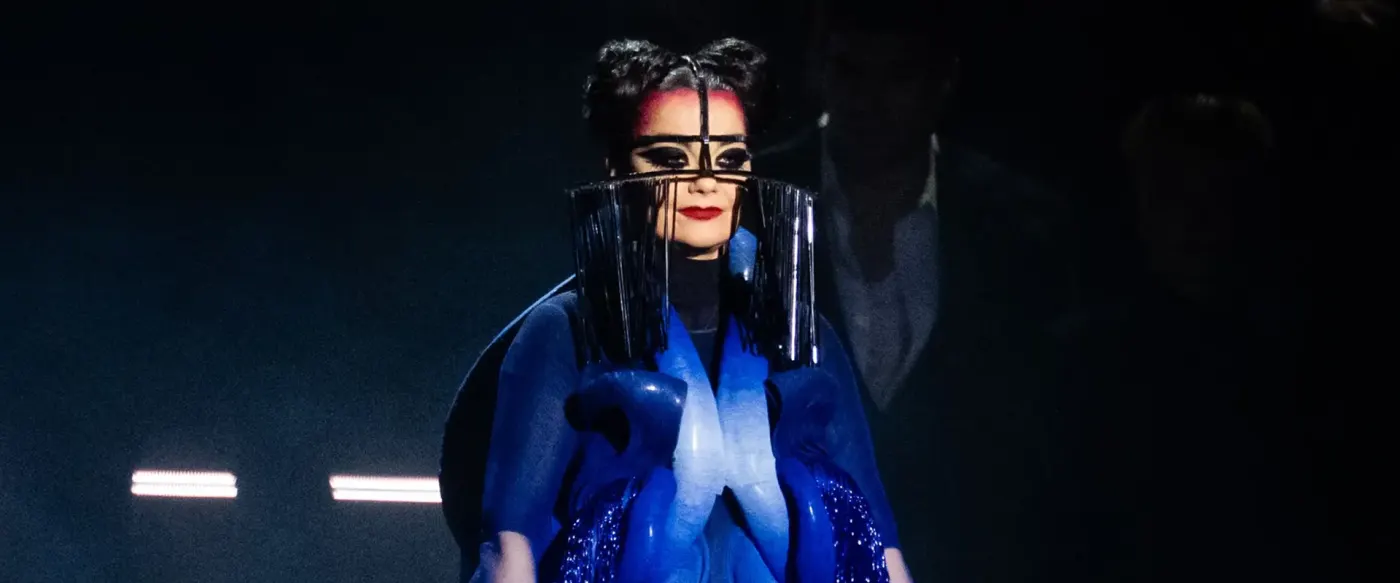
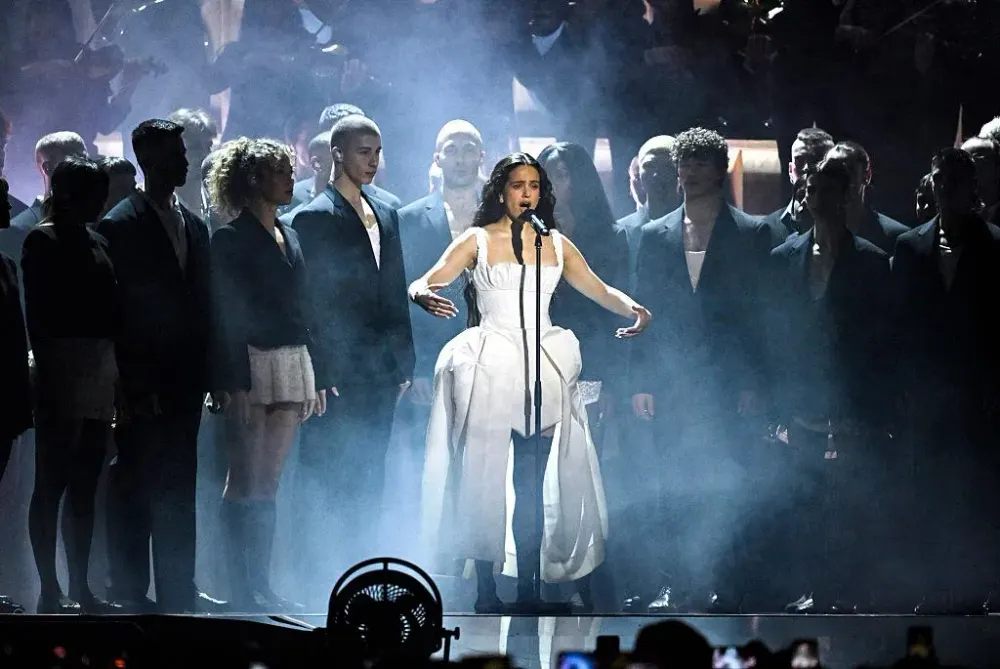
When Björk took the stage alongside Rosalía at the 2026 Brit Awards, it wasn’t just a musical performance: it was a masterclass in branding, positioning, and image-building.
In just a few minutes on stage, you could spot the same strategic elements that hold up strong brands: consistent visual identity, a clear narrative, and artistic authority. Those same pillars matter just as much in marketing, design, and advertising.
Aesthetics as strategic territory
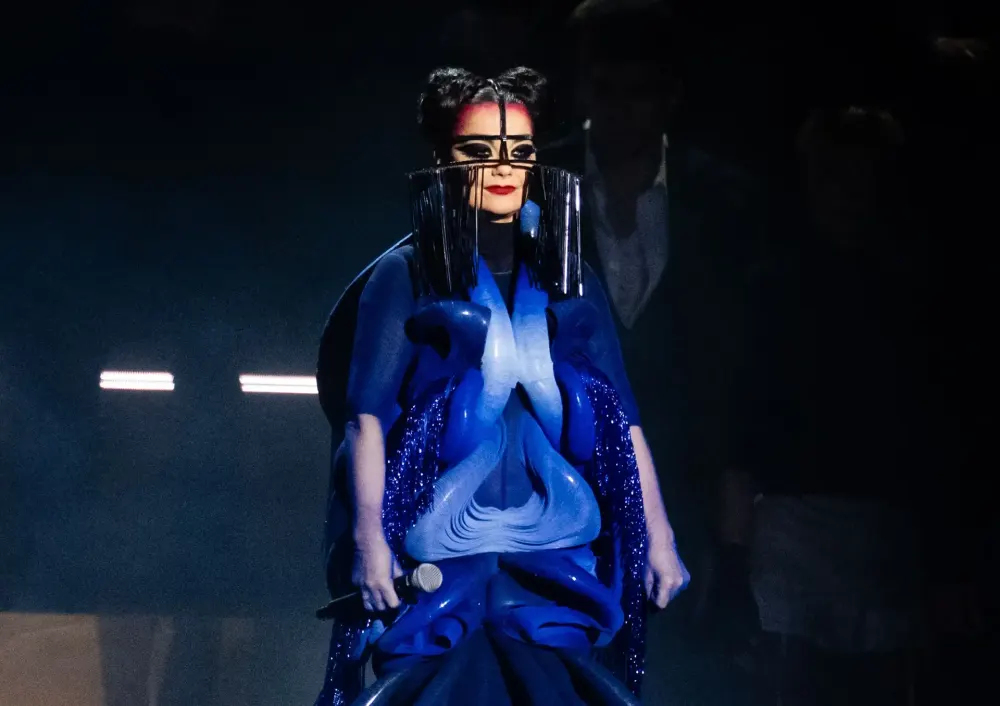
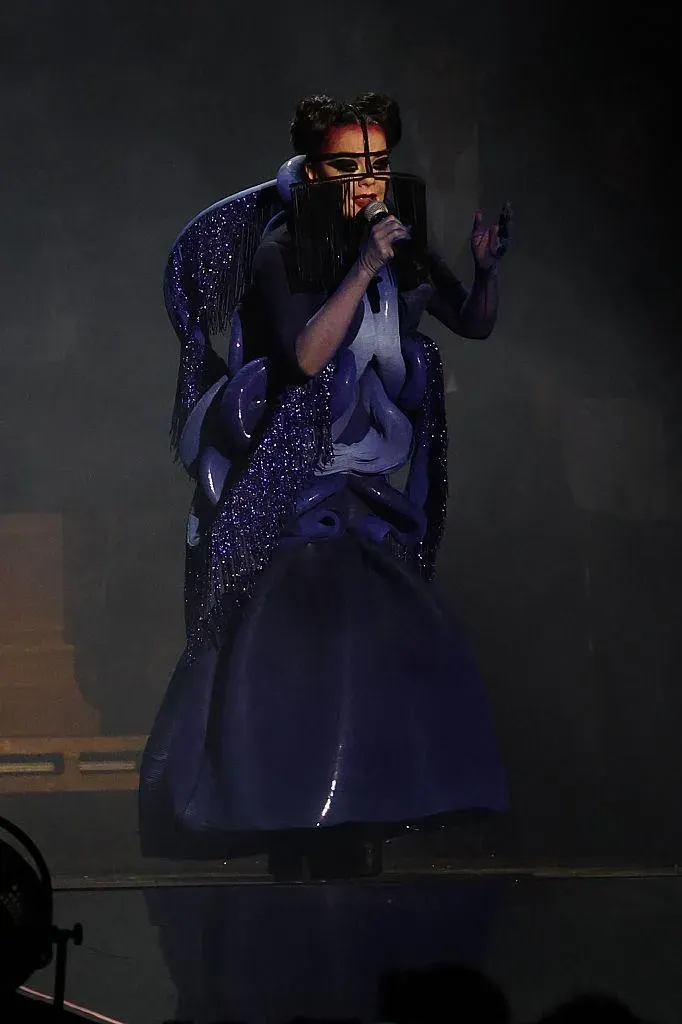
Björk never just “shows up.” She manifests visually. Every public appearance carries a sharply defined aesthetic identity: conceptual costumes, her own art direction, and a visual coherence built over decades.
That consistency creates three clear strategic effects. First, an unmistakable identity: it’s practically impossible to confuse Björk with any other artist. Second, aesthetic continuity across her career, without needing to constantly chase trends. Third, strong symbolic authority: when she takes a stage like the Brit Awards, her presence carries cultural weight.
In marketing, that reveals an essential principle: strong brands don’t chase every trend; they build their own visual and conceptual territory. Plenty of companies keep changing their visual identity or shifting their message to keep up with market fads. Björk shows exactly the opposite: consistency builds recognition, and recognition builds value over time.
The strategic contrast: avant-garde + pop
The partnership with Rosalía also reveals an interesting strategy. While Rosalía represents global reach, contemporary language, and a strong connection to new audiences, Björk embodies artistic experimentation, creative depth, and cultural legacy.
When two figures with different positioning meet, something powerful happens in marketing: perception transfer. The audience starts associating one brand’s attributes with the other.
This is common in branding and strategic collaborations. Premium brands team up with streetwear labels, technical experts appear alongside popular communicators, and established professionals connect with new generations of the market. These partnerships don’t just extend reach; they also help reposition public perception.
The stage as brand experience
The Brit Awards performance also showed how aesthetics can build experience. Dramatic lighting, immersive staging, original art direction, and mood-building turned the performance into something far bigger than the music itself.
That’s what we call experiential branding. In the digital world, the equivalent is building landing pages that create atmosphere, visual identities that evoke feeling, and campaigns that tell a story instead of just presenting a product.
The real question for businesses and creative professionals becomes: is the design just communicating price, or is it building perceived value? Because price competes for market share, while perception builds positioning.
The power of the unexpected in positioning
One of the most striking things about Björk’s career is her refusal to follow predictable paths. That says something important for anyone working in marketing and advertising: the obvious grabs attention for a moment, but the original creates memory.
Aesthetic boldness sparks conversation, differentiation, and cultural identity. Björk’s Brit Awards appearance reinforces exactly that: real differentiation takes creative courage.
Applying these lessons to strategic design
Bringing this analysis into graphic design and advertising, three practical lessons stand out. First, visibility without identity doesn’t sustain positioning. Before investing in traffic, campaigns, or ads, you need a clear, recognizable brand.
Second, art direction isn’t just decorative aesthetics: it functions as visual positioning and communicates values, personality, and purpose.
Finally, authority isn’t built through volume of content, but through consistency. Brands and professionals who maintain aesthetic and narrative coherence over time end up owning their space in the market.
Conclusion
Björk’s performance alongside Rosalía at the Brit Awards was much more than a memorable musical moment. It was a demonstration of how visual identity, artistic narrative, and strategic consistency can build cultural relevance.
In today’s landscape, where countless brands compete for attention at any cost, the ones that win are the ones that build positioning. And positioning starts with a clear identity, creative direction, and design capable of communicating value before a single word is spoken.

Graphic designer. I write about brand, form, and craft, what holds an identity together on any surface.