

Images are never neutral.
Every representation carries intention, context, and power. In Brazil, few figures reveal that as clearly as Iemanjá.
Originally a Yoruba deity (Yemọja), associated with fresh waters and later with the sea in Brazil, Iemanjá has Black, African, ancestral roots. And yet, when you look at popular Brazilian iconography, you see something else entirely: a white woman with European features, long straight hair, dressed in blue.
What happened along the way?
And, more importantly: what role did graphic design play in that transformation?
Iemanjá’s original representation
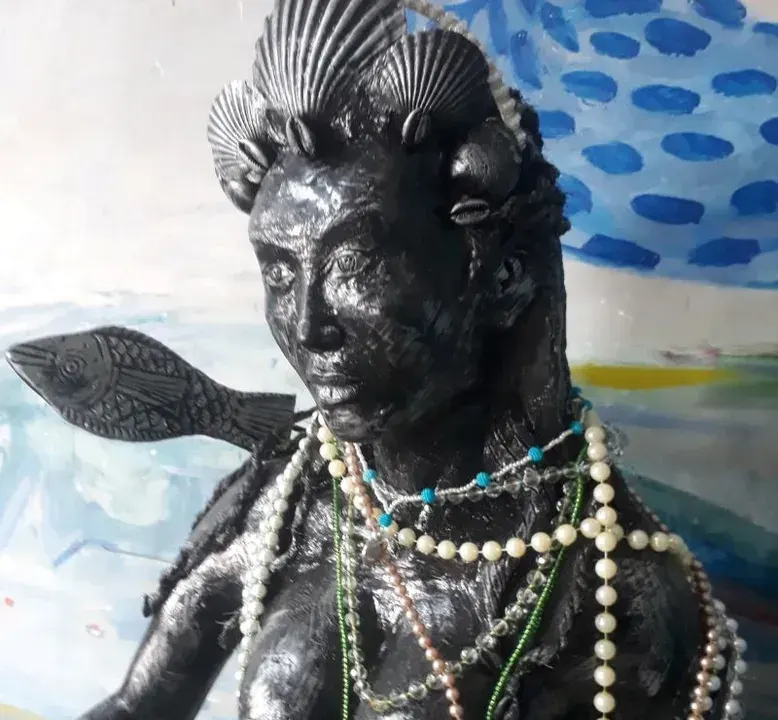
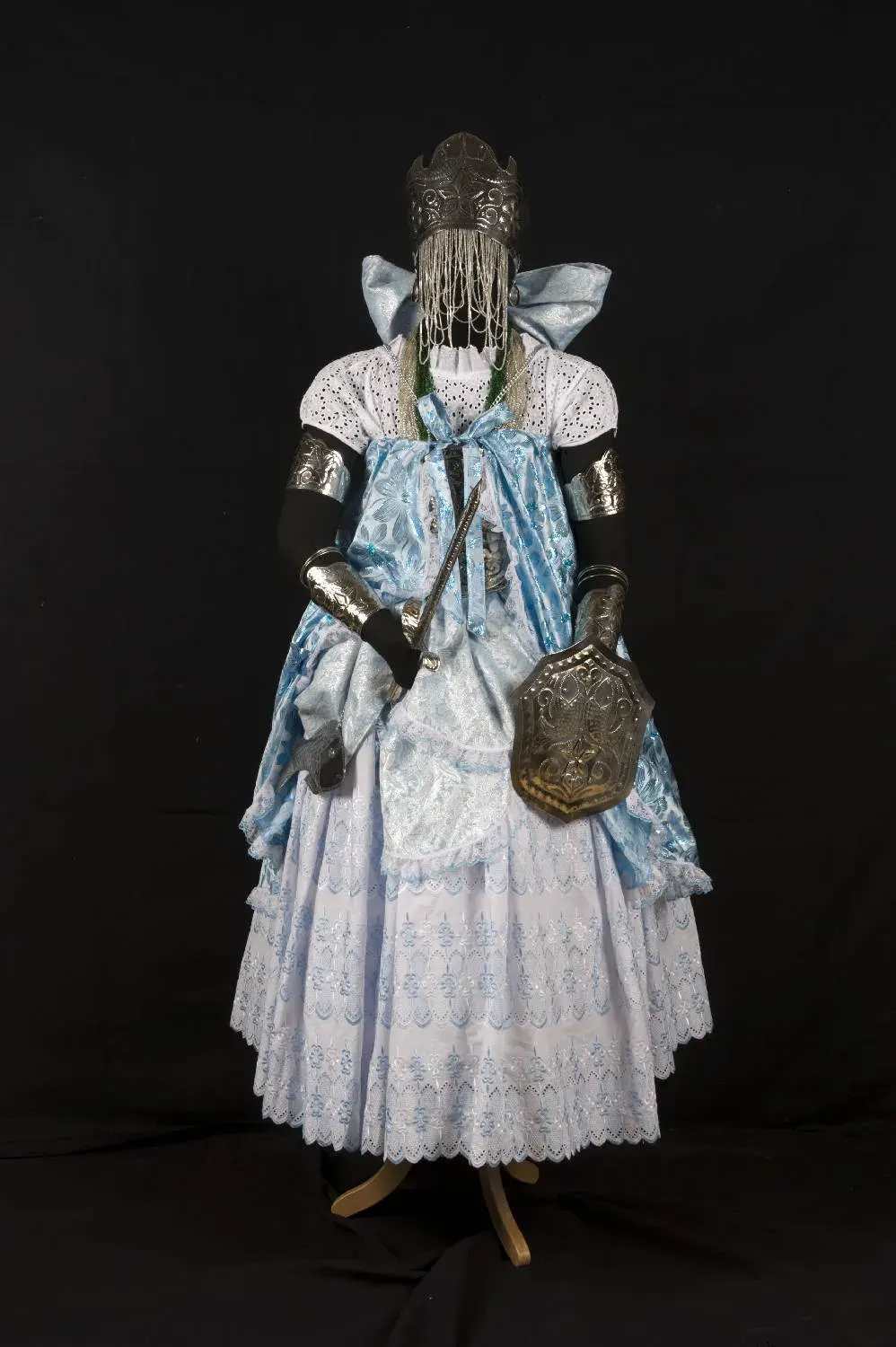
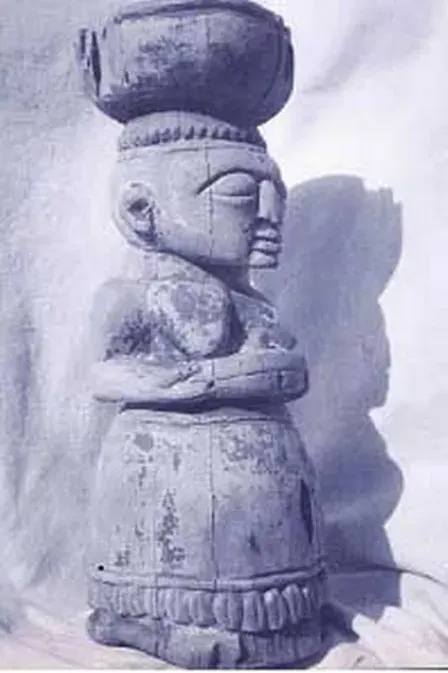
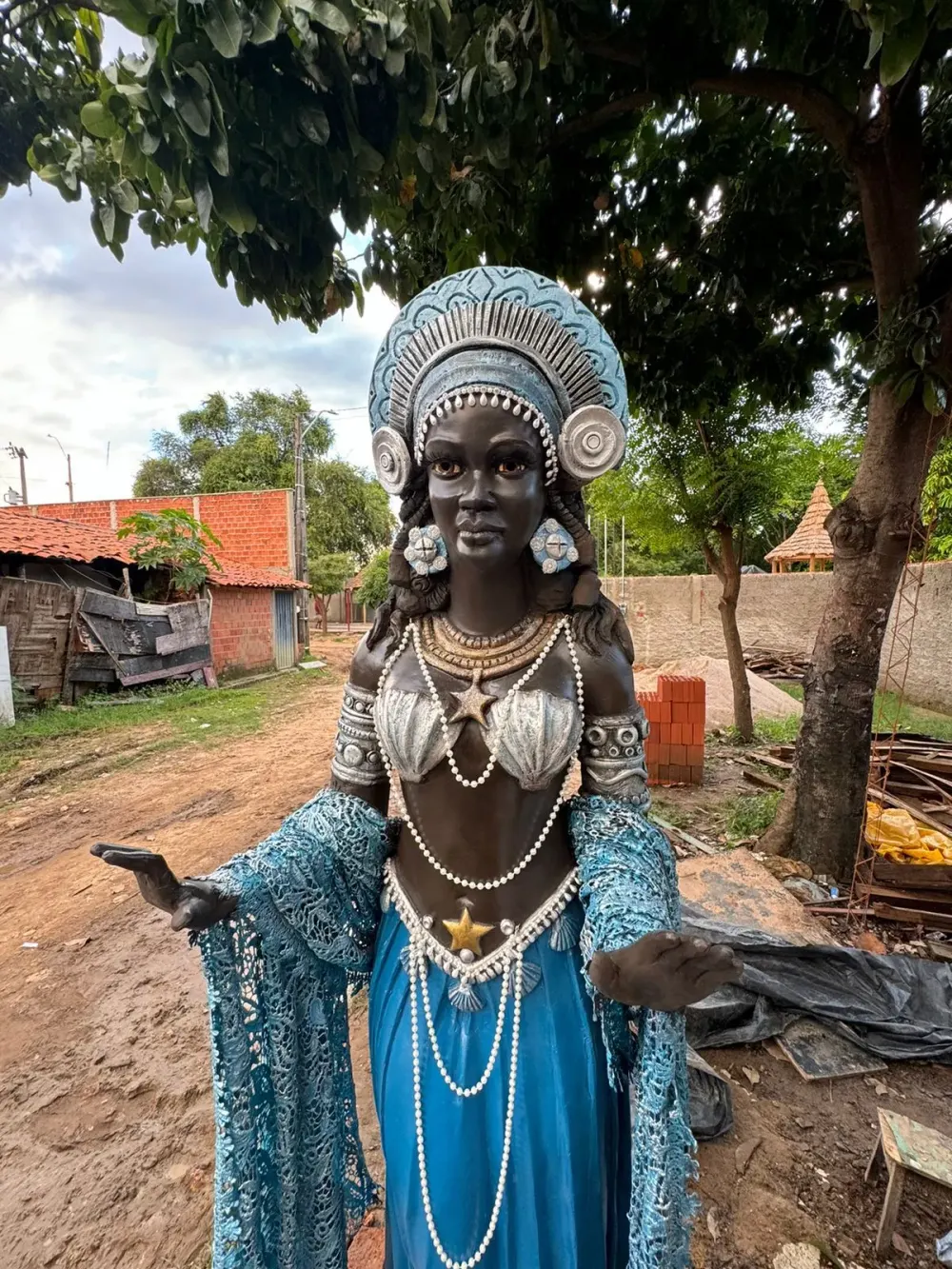
In Yoruba tradition, Yemọja is a deity tied to fertility, motherhood, and ancestral strength. Her representation is rooted in African aesthetics: dark skin, a symbolic body, matriarchal power.
When this cosmology reached Brazil through the African diaspora, it went through an inevitable process of adaptation, but also erasure.
Symbolic whitewashing in Brazil
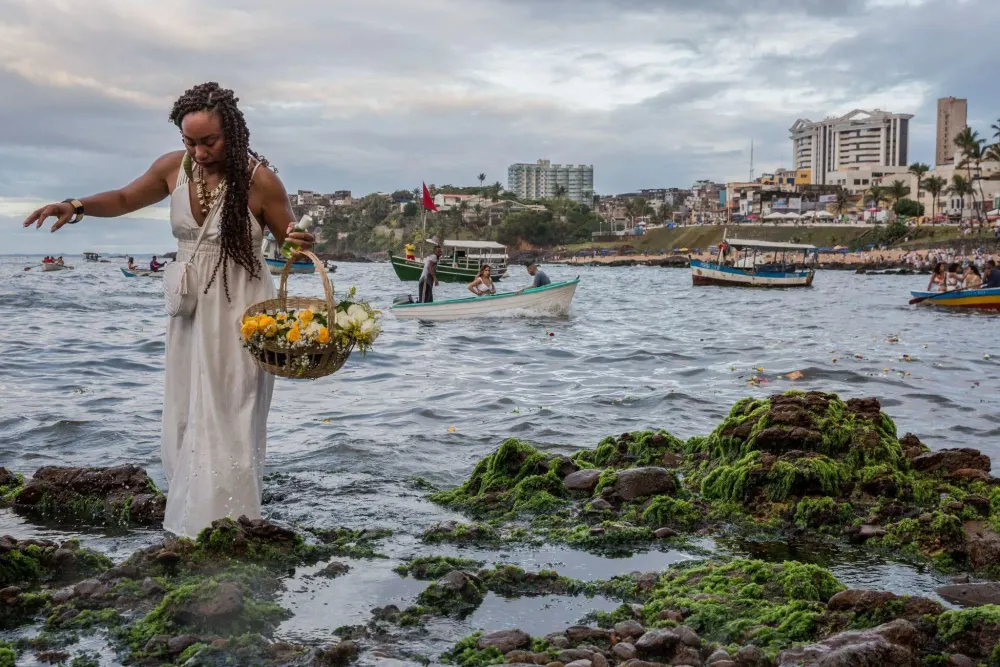
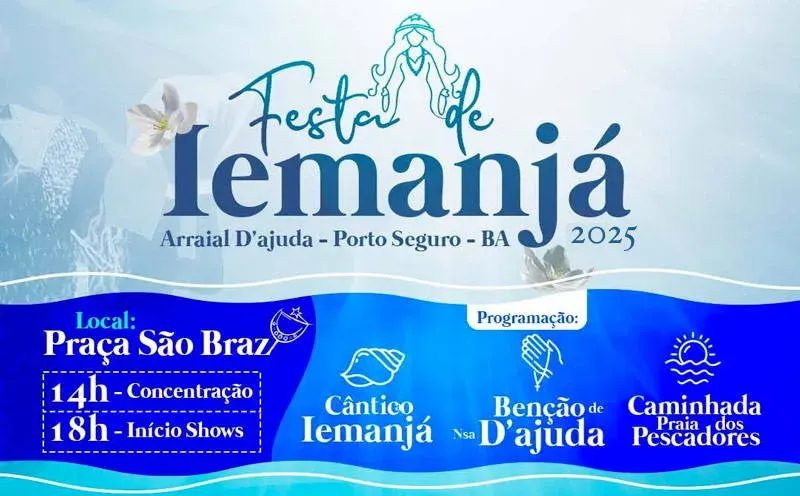
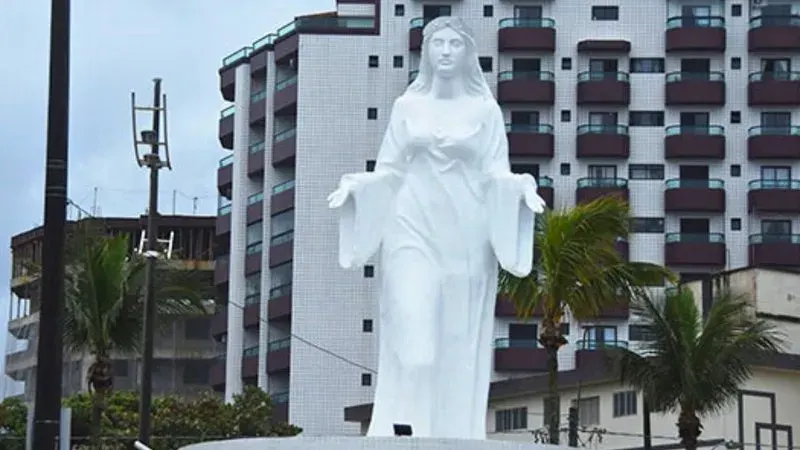
Throughout the 19th century, and especially the 20th, Iemanjá’s image underwent a process of whitewashing.
Among the historical factors:
- ✦A strong influence from Catholicism and syncretism with the Virgin Mary
- ✦Dominant European beauty standards
- ✦The idealization of whiteness as a symbol of purity
- ✦A print industry built on European academic references
What was once a Black African deity came to be represented as a kind of fair-skinned “Marian mermaid.”
That’s not an accident.
It’s a direct reflection of a country built on colonial logic.
Where does graphic design come into this story?
Here we get to the most delicate, and most important, point.
The white image of Iemanjá became consolidated right as these industries were expanding:
- ✦Large-scale printing
- ✦Religious posters
- ✦Lithographs
- ✦Popular prayer cards
- ✦Cultural advertising
Graphic design, even if unintentionally, became a tool of visual standardization.
An image reproduced at scale becomes a cultural reference.
And what gets repeated becomes truth.
Design doesn’t just communicate.
Design builds imagination.
When print shops, illustrators, and publishers kept reproducing a white Iemanjá, that image became consolidated as “official,” visually erasing her African ancestry.
Scholars call this the coloniality of the image.
Structural racism and aesthetics
The whitewashing of Iemanjá can’t be analyzed in isolation.
It’s tied to:
- ✦20th-century advertising standards
- ✦Eurocentric beauty representations
- ✦The construction of aspirational visual archetypes
- ✦The systematic exclusion of Black bodies from media
Design has always operated within systems of power.
If society valued whiteness as the ideal, design reproduced that ideal.
The uncomfortable question is:
Did design just reflect structural racism, or did it help entrench it?
The visual reclamation movement
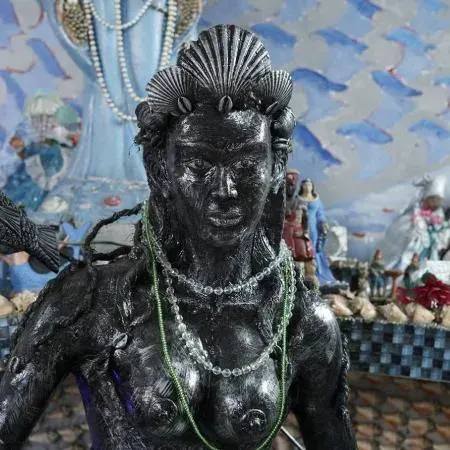
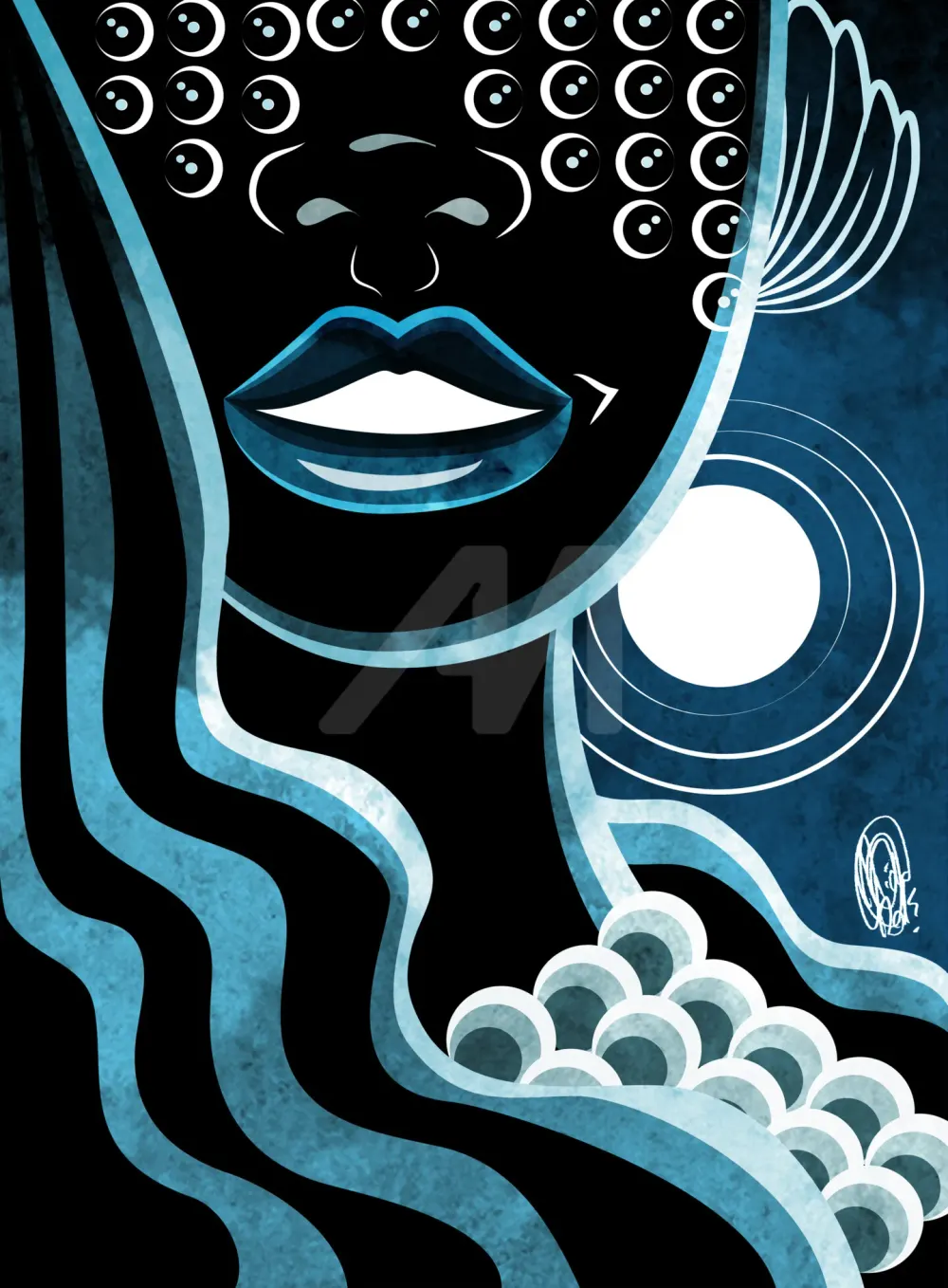
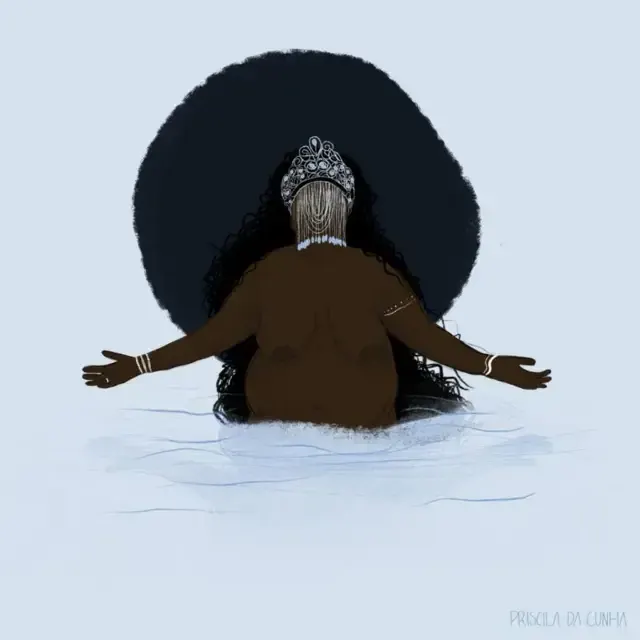
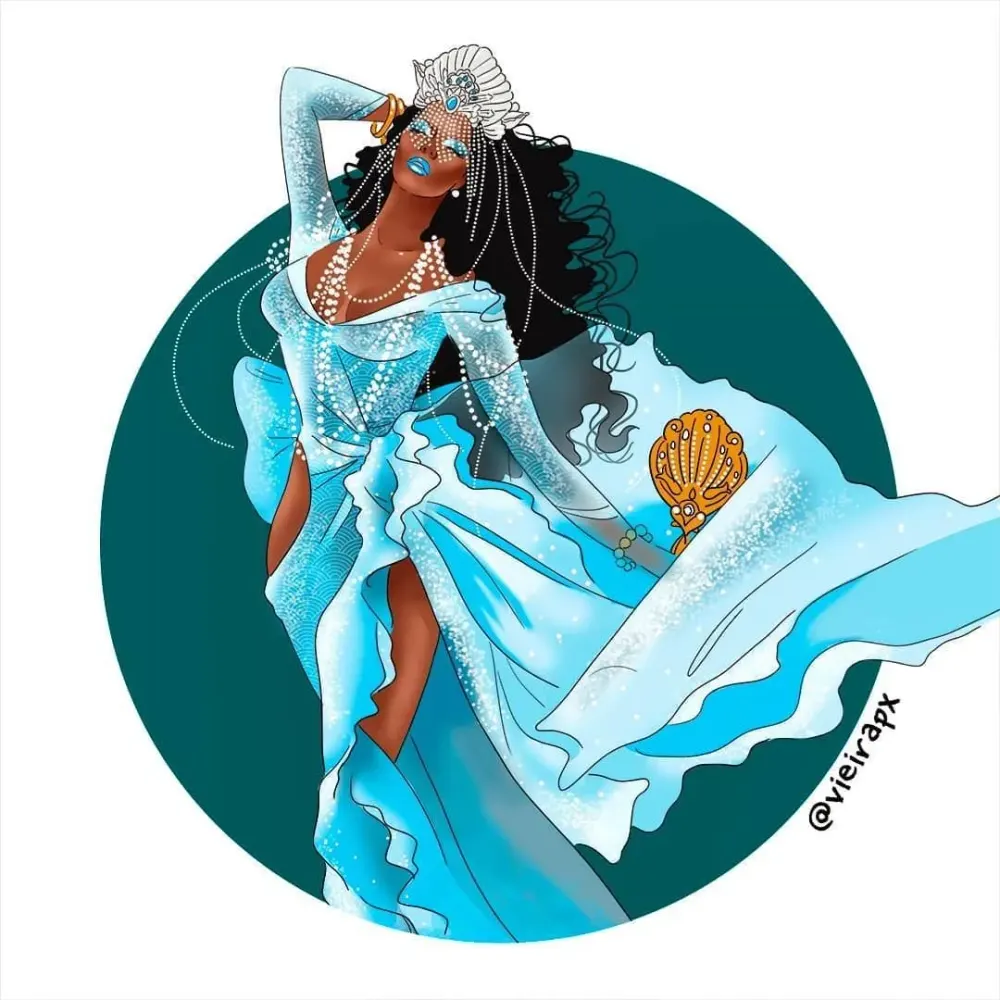
In recent years, we’ve seen an important movement toward aesthetic reconstruction.
Afro-Brazilian artists and designers have been revisiting Iemanjá’s iconography, reclaiming:
- ✦African features
- ✦Natural textures
- ✦Curly, coily hair
- ✦Ancestral symbolic elements
Design, which once helped whiten her image, can now help restore it.
That reveals something essential:
Design isn’t neutral, but it isn’t static either.
It can perpetuate erasure, or it can drive reconstruction.
What does this teach people working in design today?
If you’re a designer, a brand strategist, or a communications professional, this reflection is unavoidable.
Every aesthetic choice carries cultural impact.
Every image reinforces or challenges structures.
Working with visual identity also means working with historical responsibility.
The question isn’t just: “Is this beautiful?” It’s also: “What is this image validating?”
Conclusion
The whitewashing of Iemanjá is a powerful example of how graphic design took part in shaping Brazil’s visual imagination.
It reveals that aesthetics are also political.
And that every representation is a choice.
If design helped consolidate an exclusionary standard, it can also be a tool for symbolic reconstruction.
Images are never neutral.
And maybe it’s time we started designing with more awareness.

Graphic designer. I write about brand, form, and craft, what holds an identity together on any surface.